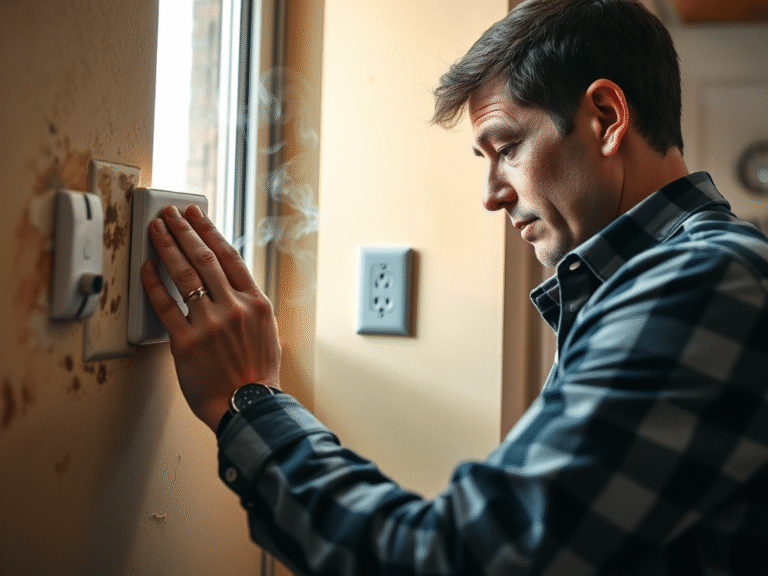
Temporary Window Coverings, Condensation & Indoor Air Quality Considerations – Nanaimo, Mill Bay, Cowichan, Duncan, Ladysmith, Nanoose, Parksville, Qualicum, Port Alberni, Courtenay, Comox, Campbell River and all of Vancouver Island
Issued by: Pacific Decontamination Services
Applies to: Occupants, Landlords & Property Managers
Distribution: Tenants, Strata Councils, Building Management
Region: Nanaimo & Vancouver Island
Purpose of This Advisory
This advisory is intended to inform occupants, landlords, and property managers of the potential risks of moisture, mold, and building materials associated with temporary plastic or poly window coverings, commonly used during colder months or renovation activities.
While such coverings may appear to reduce drafts or heat loss, improper installation or prolonged use can unintentionally create conditions that support moisture accumulation, mold growth, airborne contamination, and damage to building materials.
Technical Background
Plastic or poly window coverings act as a vapor barrier. When warm, moisture-laden indoor air contacts colder window surfaces, condensation forms. When plastic coverings are installed tightly against windows:
- Moisture can become trapped between the window and the plastic
- Air circulation is restricted, preventing evaporation and drying
- Condensation may persist for extended periods
- Moisture can migrate into window frames, trim, drywall, insulation, and wall cavities
These conditions may support active mold growth, often in concealed areas not immediately visible to occupants, landlords, or property managers.
Health Considerations: Airborne Mold Spores & Mycotoxins
When mold becomes established, it can release microscopic mold spores and, in some cases, mycotoxins into the indoor environment. These contaminants can become airborne and spread beyond the original moisture source.
Potential health effects may include:
- Irritation of the eyes, nose, throat, and skin
- Worsening of asthma or other respiratory conditions
- Headaches, fatigue, or flu-like symptoms in sensitive individuals
- Increased risk to children, seniors, and immunocompromised occupants
Because airborne spores and mycotoxins are not always visible and may not produce strong odors, exposure can occur without obvious warning signs. Early awareness and reporting are essential for protecting occupant health and managing risk.
Property & Building Material Risks
From a building and asset management perspective, prolonged moisture exposure from trapped condensation can lead to progressive deterioration of building materials, a concern for landlords and property managers responsible for maintaining the structure’s integrity.
Potential impacts include:
- Deterioration or rot of wood window frames and trim
- Swelling, softening, or breakdown of drywall and gypsum board
- Reduced effectiveness or saturation of insulation
- Corrosion of fasteners and metal components
- Hidden damage within wall assemblies and window interfaces
If left unaddressed, these conditions can contribute to Condition 3 mold contamination, increase remediation costs, and elevate long-term maintenance and liability exposure.
Increased Risk Factors
Risk is elevated in:
- Bathrooms, kitchens, and bedrooms
- Units with limited ventilation or inconsistent exhaust fan use
- Coastal or high-humidity environments
- Buildings with tightly sealed envelopes
- Extended or seasonal use of sealed plastic window coverings
Recommended Best Practices
To reduce risk, occupants, landlords, and property managers are encouraged to:
- Avoid long-term use of sealed plastic or poly window coverings
- Maintain adequate ventilation, particularly in moisture-producing areas
- Ensure bathroom and kitchen exhaust fans are used as intended
- Consider breathable thermal curtains or purpose-built interior storm windows
- Maintain indoor relative humidity levels between 30–50%
- Conduct periodic inspections for condensation, staining, or material deterioration
Where plastic window coverings are already in use, routine inspection and moisture monitoring are strongly recommended.
Reporting & Early Intervention
Occupants are encouraged to promptly report the following to landlords or property managers:
- Persistent condensation on windows or frames
- Musty or earthy odors
- Visible staining, discoloration, or material degradation
- Peeling paint, bubbling finishes, or softened drywall near windows
Early reporting allows landlords and property managers to take timely corrective action and helps prevent escalation into more extensive damage or contamination.
Professional Assessment, Decontamination & Prevention Strategies
Pacific Decontamination Services provides professional services for occupants, landlords, and property managers, including:
- Moisture and mold assessments to identify active and hidden sources of moisture
- Air and surface sampling to evaluate indoor air quality and contamination levels
- Condition-based mold remediation and decontamination, performed in accordance with industry best practices
- Prevention strategies, including moisture control recommendations, ventilation improvements, and material protection guidance
Professional assessment and preventative evaluation can help reduce:
- Structural and building material damage
- Indoor air quality concerns
- Tenant complaints and occupancy disruptions
- Long-term remediation, repair, and liability costs
Early intervention and proper decontamination are key to preventing minor moisture issues from developing into widespread mold contamination.
What Can You Do? We Can Neutralize Your Mold or Rodent Infestation!
In most situations, Pacific Decontamination Services can neutralize your mold up 99.99999%. If our spray, fog or foam can touch it, we can neutralize it. Our services come at a fraction of the cost as compared to the expensive approaches like soda / dry ice blasting, hepa vacuuming, scrubbing, removal of insulation and deconstruction and reconstruction of the attic and roof.
We neutralize the mold, or bacteria in your attic, crawl space, home, building, vehicle, or property by applying our eco-friendly, safe chemical on all surfaces and airborne, focusing our efforts on the visible mold areas. Depending on the job, we apply our formula by spray, mist, foam, or fog. We further kill all airborne mold spores in your attic. The average time of our on-site service is approximately one hour. An additional four hours is required to achieve maximum effectiveness. We ask that you stay out of the attic for approximately 5 hours in total. Read more about how we work.
Pacific Decontamination Services uses the world’s strongest, most effective and safe antimicrobial disinfectant, deodorization and chemical decontaminate. Our professional application will eliminate up to 99.99999% of any allergen, germ, bacteria or fungus that it touches. AND as powerful as it is, it is also completely safe.
What do you do next? How do you solve the challenge of mold and associated health hazards?
Call Pacific Decontamination Services at 778-269-0208 or email us at our email address: contact @ pacificdecon dot com
Serving All of Vancouver Island: Victoria, Cowichan, Duncan, Nanaimo, Parksville, Qualicum, Courtenay, Comox, Campbell River, and Port Alberni.