Living on Vancouver Island, many homeowners in Nanaimo, Parksville, Qualicum, Port Alberni, Courtenay, Comox, Campbell River, Duncan, Cowichan, and Ladysmith get used to musty smells, fogged-up windows, and “winter sniffles.” It can feel normal in a damp climate. But in many homes, the air itself is part of the problem – and it is often linked to moisture issues and mold growth.
This blog will walk you through the key signs to watch for, simple checks you can do yourself, and when it is time to get professional help from a specialized decontamination company like Pacific Decontamination Services.
Why indoor air matters more than you think
Most people spend the majority of their time indoors, especially at home. If your house has moisture problems or mold, you may be breathing in airborne mold spores and mycotoxins. Over time, even low-level exposure can contribute to:
- Ongoing stuffy nose or sinus issues
- Coughing, wheezing, or chest tightness
- Headaches or “brain fog”
- Eye, skin, or throat irritation
- Worsening asthma or allergies
For a deeper dive into how mold and mycotoxins affect health, see your blog “Are Mold + Mycotoxins Making You Sick?”.
These symptoms are non-specific and can be caused by many factors. A useful clue is this: you feel noticeably better when you are away from home for a few days, and worse again after you return.
Common warning signs around the house
You do not have to be an expert to spot many of the early warning signs that your indoor environment might be affecting your health. Some of the most important ones include:
- Persistent musty or earthy odour
A musty smell that never really goes away, especially in basements, crawlspaces, closets, or after heavy rain, is often a red flag for hidden mold and moisture problems. If you have just discovered mold, your post “You Have Found Mold in Your Home, Now What?” is a helpful next read. - Condensation on windows
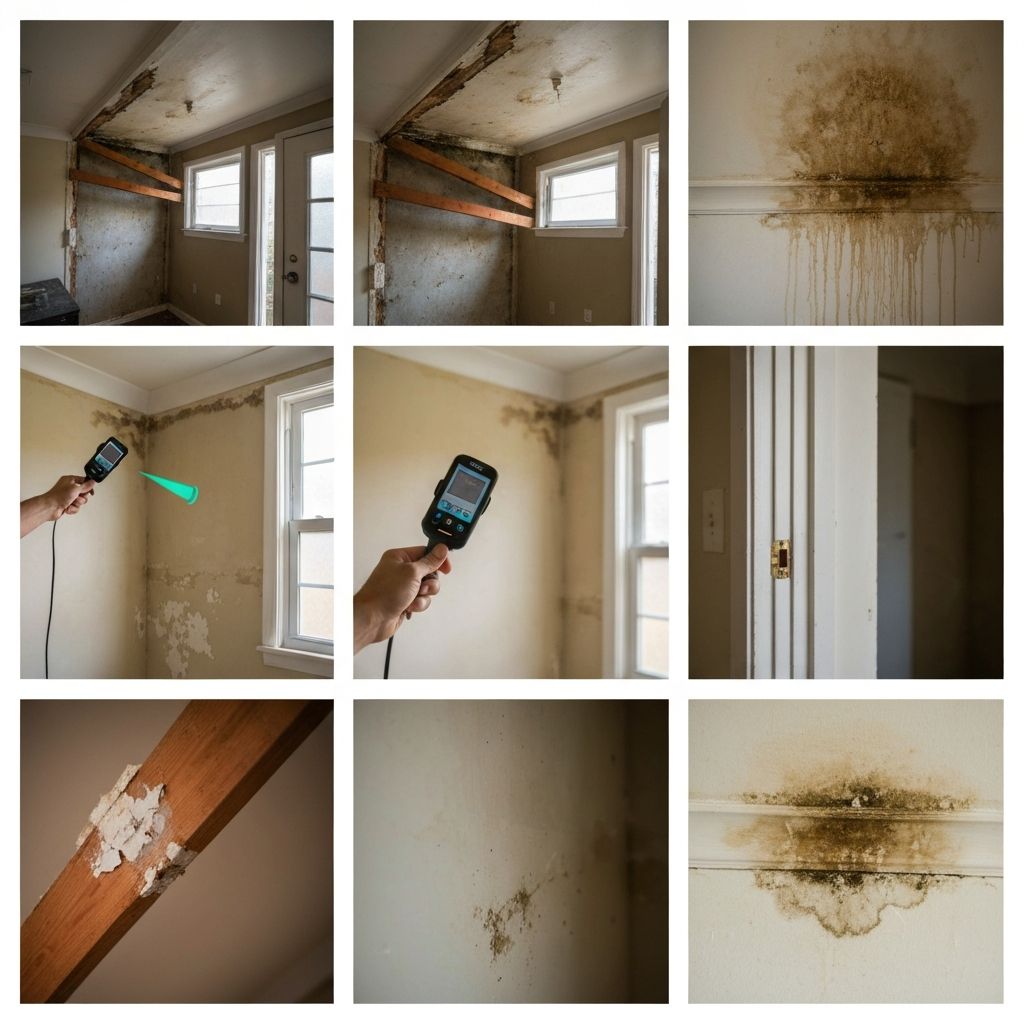
If you regularly see water beading or running down your windows, especially in colder months, it is a sign of high humidity indoors. Over time, this extra moisture can feed mold growth around frames, in walls, and on other cold surfaces. Your guide “How to Avoid Condensation Problems” explains this in more detail. - Peeling paint, staining, or “crusty” white deposits
Bubbling paint, yellowish stains on ceilings or walls, or flaky, white, salty deposits on concrete or brick often indicate that water has been moving through those materials. Those conditions can support mold behind the surface, even if you do not see it. For more on moisture and salts on masonry, see “Understanding Efflorescence: Causes, Risks, and the Link to Mold Growth”. - Visible mold spots, even small ones
Any visible mold – black, green, white, or other colours – is a sign that conditions are suitable for growth. You may notice it:
- Around window sills
- On bathroom ceilings or grout
- In closets or behind furniture on exterior walls
- On attic sheathing or in crawlspaces
If you are worried specifically about “black mold,” your article “Can Black Mold and Mycotoxins Harm You?” helps clarify the risks.
- History of leaks or flooding
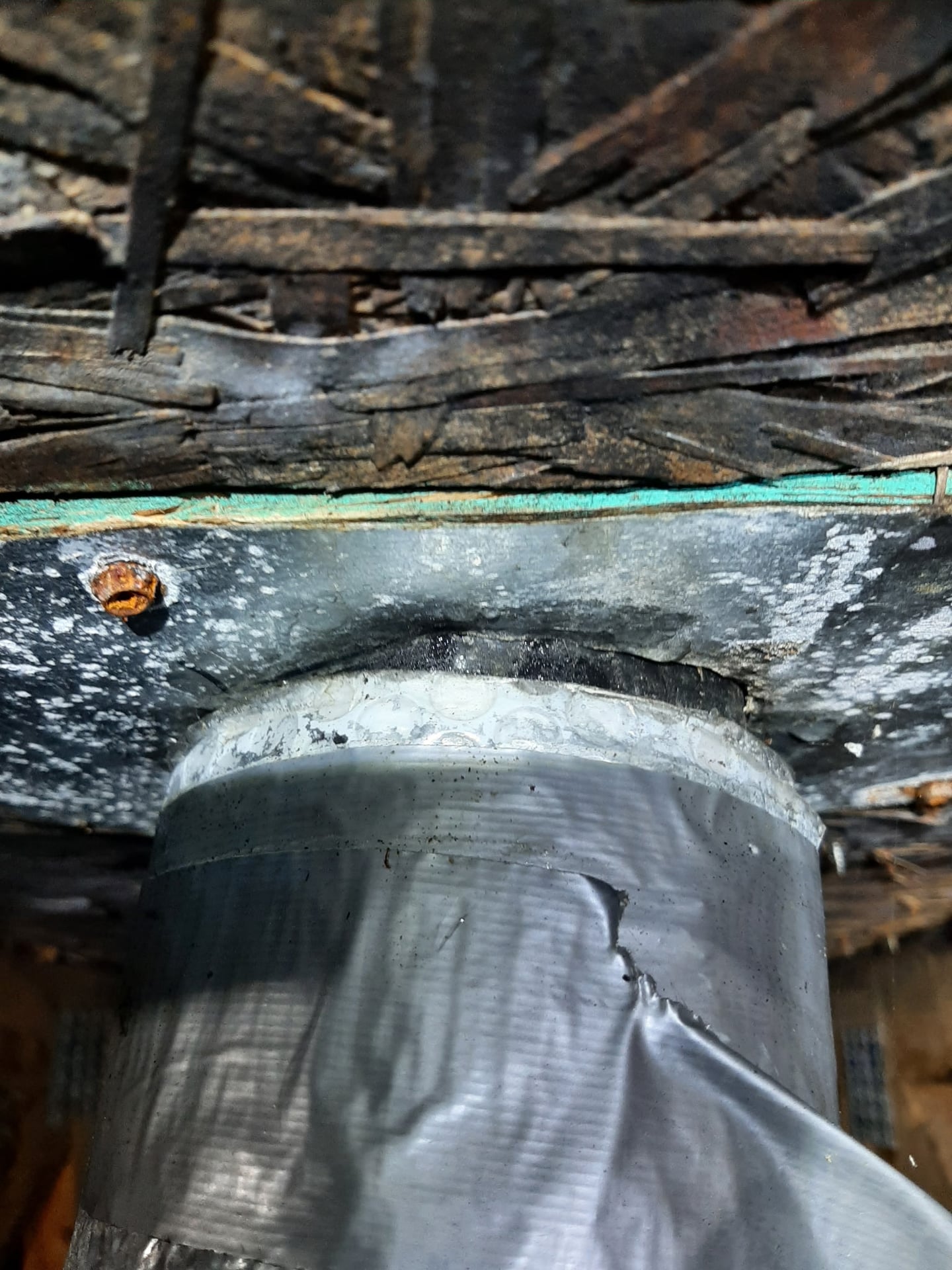
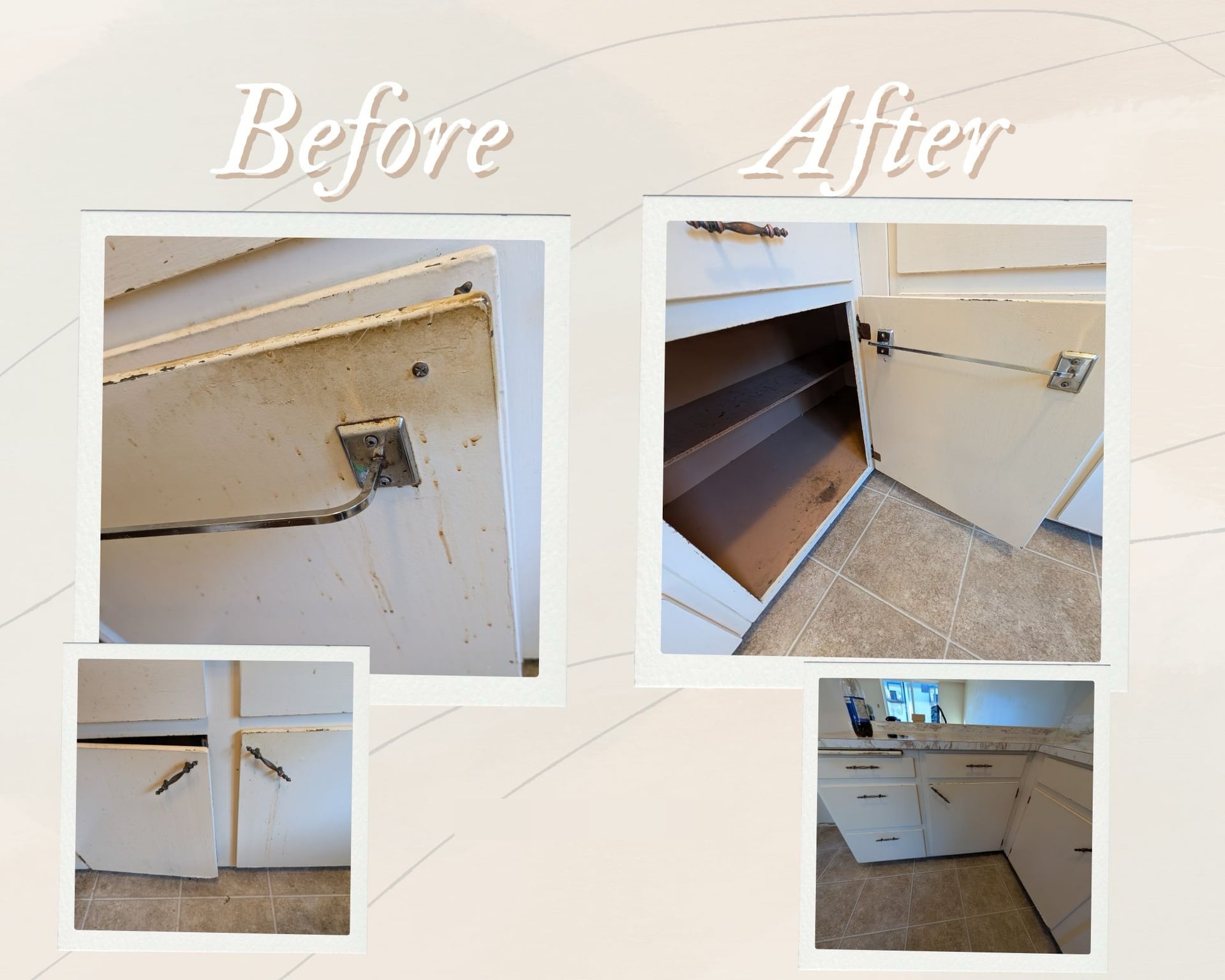
Past roof leaks, plumbing leaks, or flooding that were never properly dried and treated can leave behind a hidden mold problem long after the visible water is gone. - Unusual dust or debris
Fine, dark, or fuzzy-looking dust in certain areas, particularly near moisture-damaged materials, can sometimes include mold fragments or other contaminants.
If you are seeing more than one of these signs, especially alongside ongoing health complaints, it is worth taking a closer look. Homeowners often find your post “10 Most Commonly Asked Questions about Mold in Nanaimo, Parksville and Qualicum” helpful at this stage.
Hidden culprits in a damp coastal climate
On Vancouver Island, our climate plays a major role in indoor air problems. Cool, damp air, frequent rain, and older building stock combine to create conditions where moisture easily accumulates and lingers. Some of the most common trouble spots include:
- Crawlspaces
- Basements and lower levels
- Attics
- Cold corners and exterior walls
Because these issues often develop slowly, homeowners may not realize how much the indoor environment has changed until symptoms become hard to ignore. Your earlier article “Airborne Mold Spores: It’s What You Can’t See That May Hurt You!” highlights why invisible spores are such a concern.
Simple checks you can do yourself
While some problems require professional tools and testing, there are several straightforward checks you can perform without any special equipment.
- Use your senses
- Check the usual suspects
- Monitor humidity if possible
- Think about timing
For more prevention tips and practical steps, you can link readers to “Avoid Moisture and Mold: Tips for Temporary Window Coverings”, which explains how small changes can reduce condensation and mold risk.
Why “just wiping the mold” is not enough
Many people respond to visible mold by wiping or scrubbing it with common cleaners. While this might make a surface look better, it does not address the root cause and can sometimes make the situation worse.
- Wiping can smear spores over a larger area, spreading contamination.
- Household cleaners may remove the stain but not fully neutralize the mold.
- The underlying moisture problem remains, so the mold returns.
- Airborne particles can be stirred up during cleaning and inhaled.
For a detailed explanation of this, link to your post “The Limitations of Wiping Down Mold: Addressing Airborne Spores and Mycotoxins”.
Effective remediation should focus on three main goals:
- Identify and correct the source of moisture.
- Properly remove or treat contaminated materials.
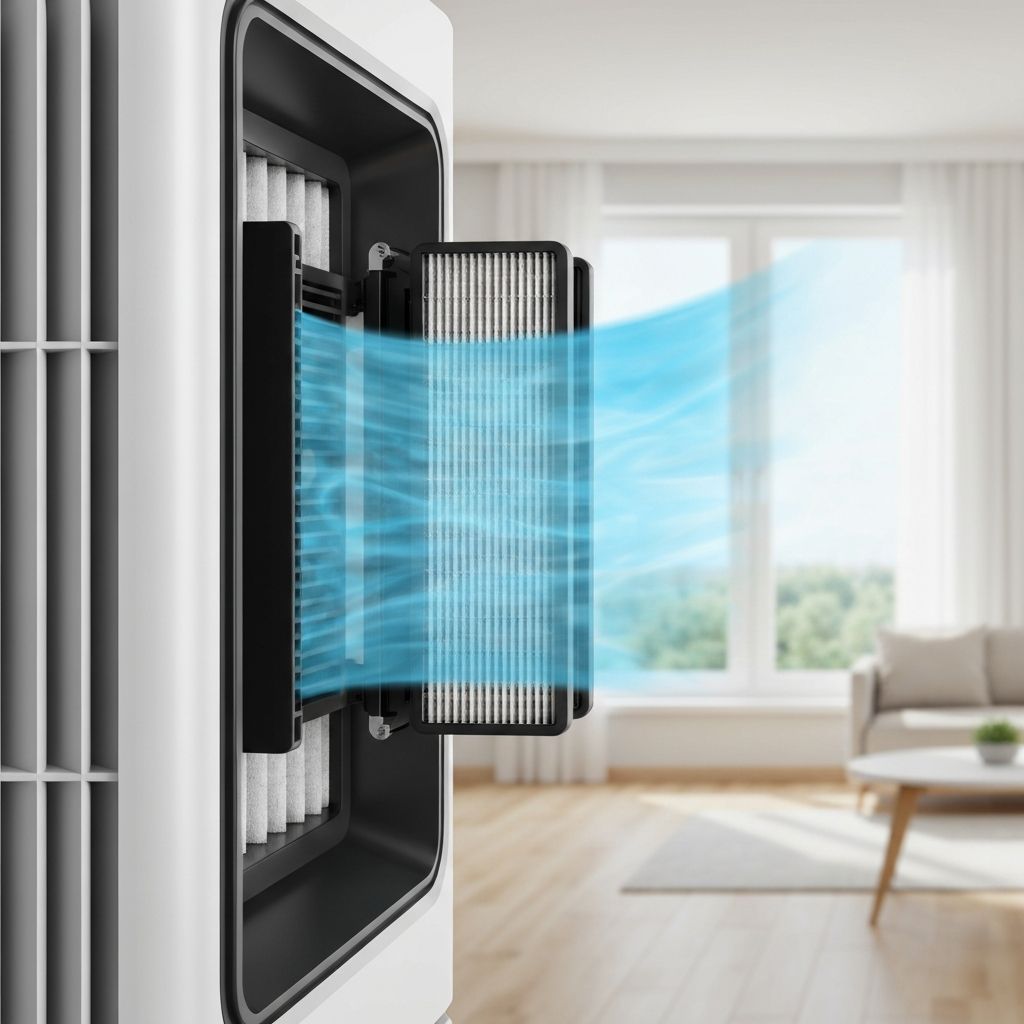
- Address airborne contamination, not just visible patches.
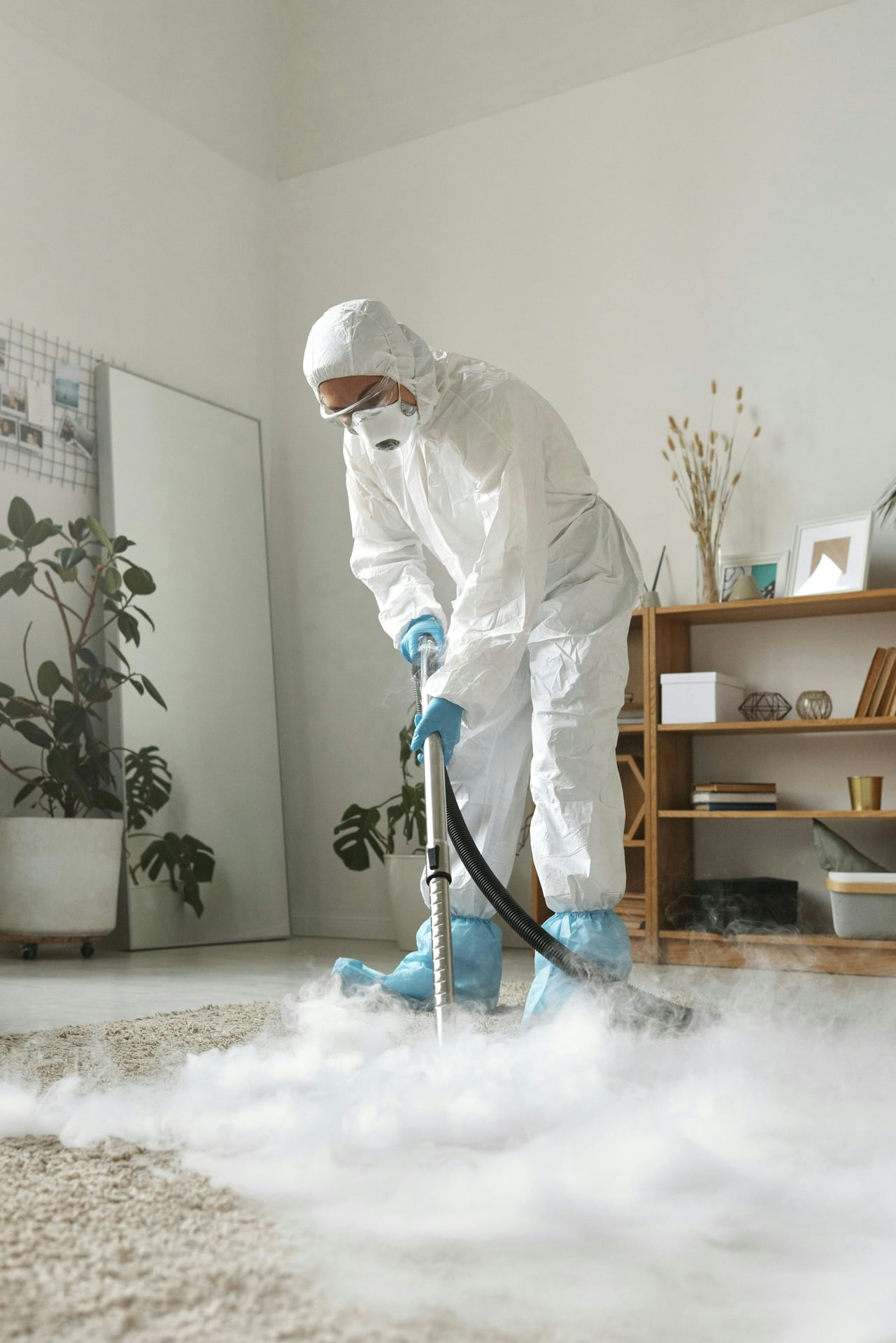
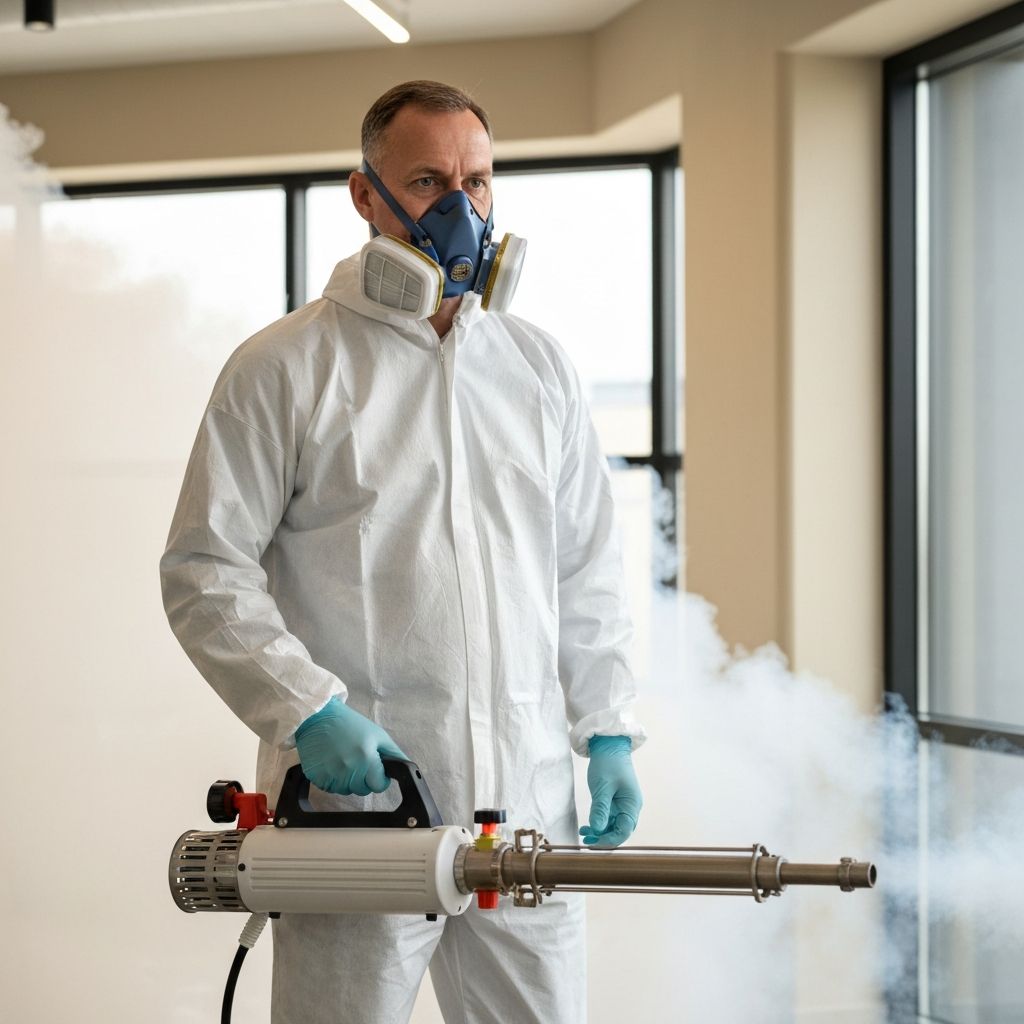
This is where professional decontamination and mold remediation methods can make a significant difference.
When it is time to get expert help
You do not need a specialist for every small issue. However, there are clear situations where a professional assessment is strongly recommended:
- You have a persistent musty odour you cannot track down.
- You can see significant mold growth (for example, an area larger than a dinner plate), or multiple affected areas.
- Someone in the home has asthma, allergies, a compromised immune system, or ongoing unexplained symptoms that seem to improve when they are away from the house.
- There is a history of roof leaks, plumbing leaks, or flooding that were never fully dried or professionally remediated.
- You are planning to sell a home or buy a property in Nanaimo, Parksville, Qualicum, Port Alberni, Courtenay, Comox, Campbell River, Duncan, Cowichan, or Ladysmith and want to avoid hidden issues.
A properly trained and equipped company can perform a thorough inspection, use appropriate testing where needed, and recommend treatments tailored to your building and situation.
Why choose Pacific Decontamination Services
Pacific Decontamination Services is the premier mold remediation, odor reduction, crime scene, trauma, and biohazard cleanup provider on Vancouver Island. For over seven years, we have provided professional and compassionate services to families, communities, and businesses throughout Vancouver Island – including Duncan, Nanaimo, Parksville, Qualicum Beach, Port Alberni, Courtenay, Comox, and Campbell River.
Not all biohazard companies are created equal – many are generalists, few are true experts. When mold, odor, rodent infestation, biohazards, blood, and bodily fluids are involved, you need a dependable expert to ensure proper disinfection and protection from the potential spread of harmful pathogens.
If improperly treated, mold, blood, and bodily fluids can promote the growth of bacterial colonies, posing health and safety risks and causing additional damage to the home. Cleaning companies that offer biohazard remediation and other services may lack the knowledge and experience necessary to guarantee full remediation and disinfection of a property.
Pacific Decontamination Services is the pioneer and industry leader in mold, rodent infestation, odor reduction and biohazard remediation. We adhere to the highest cleaning, disinfection, and safety compliance standards to ensure that our customers and employees are fully protected.
If you live in Nanaimo, Parksville, Qualicum, Port Alberni, Courtenay, Comox, Campbell River, Duncan, Cowichan, Ladysmith or anywhere on Vancouver Island and are concerned that your home may be making you sick, we are here to help.
You can reach Pacific Decontamination Services at:
- Website: www.PacificDecon.com
- Email: contact@pacificdecon.com
- Phone: 778-268-0208